
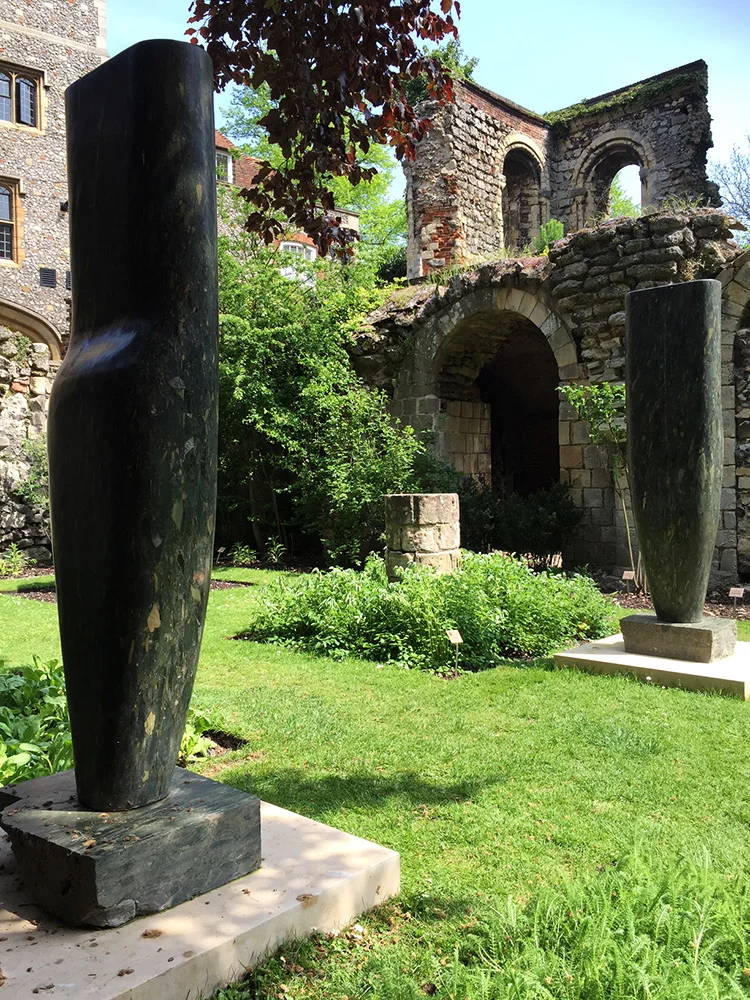
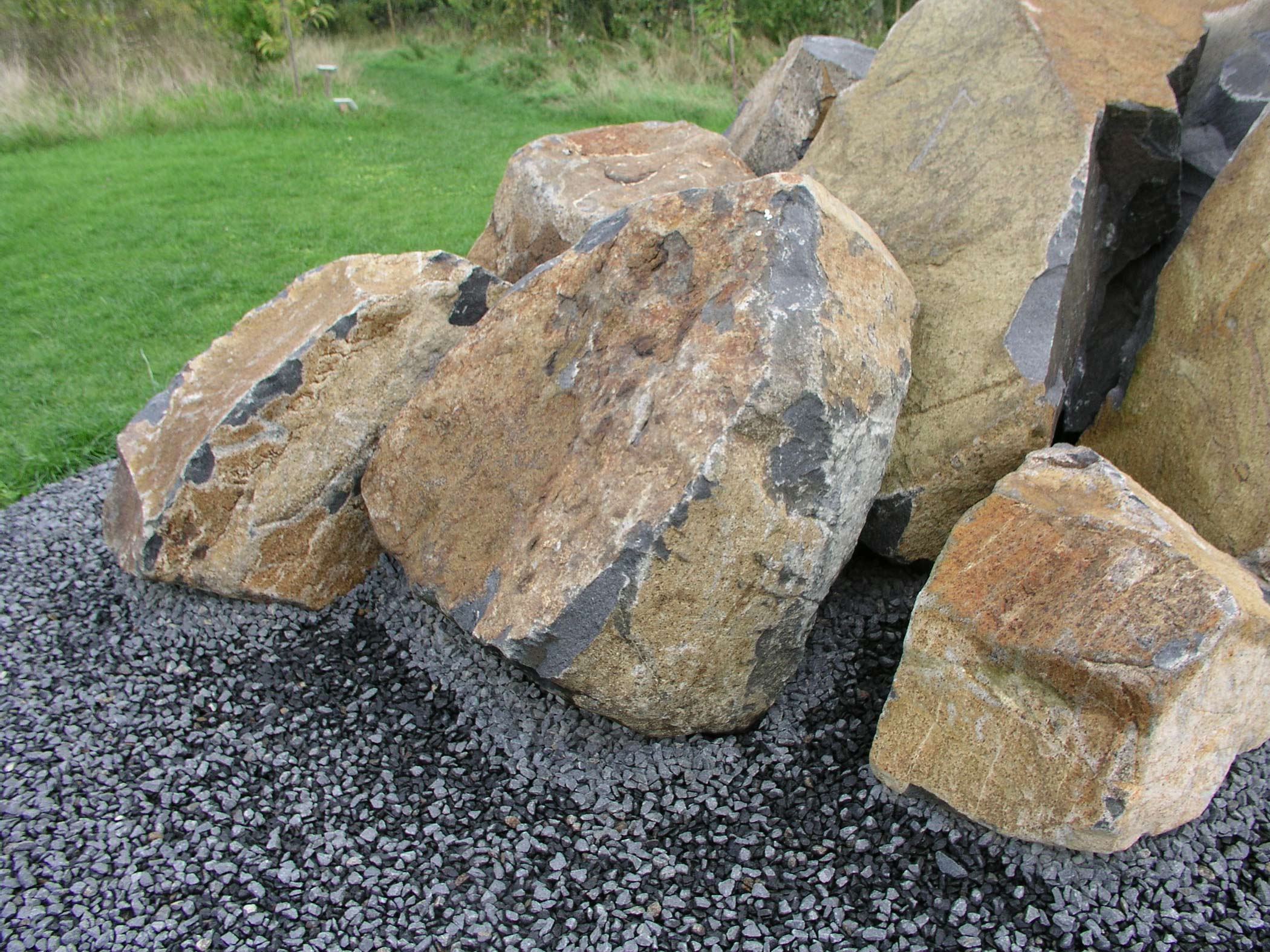
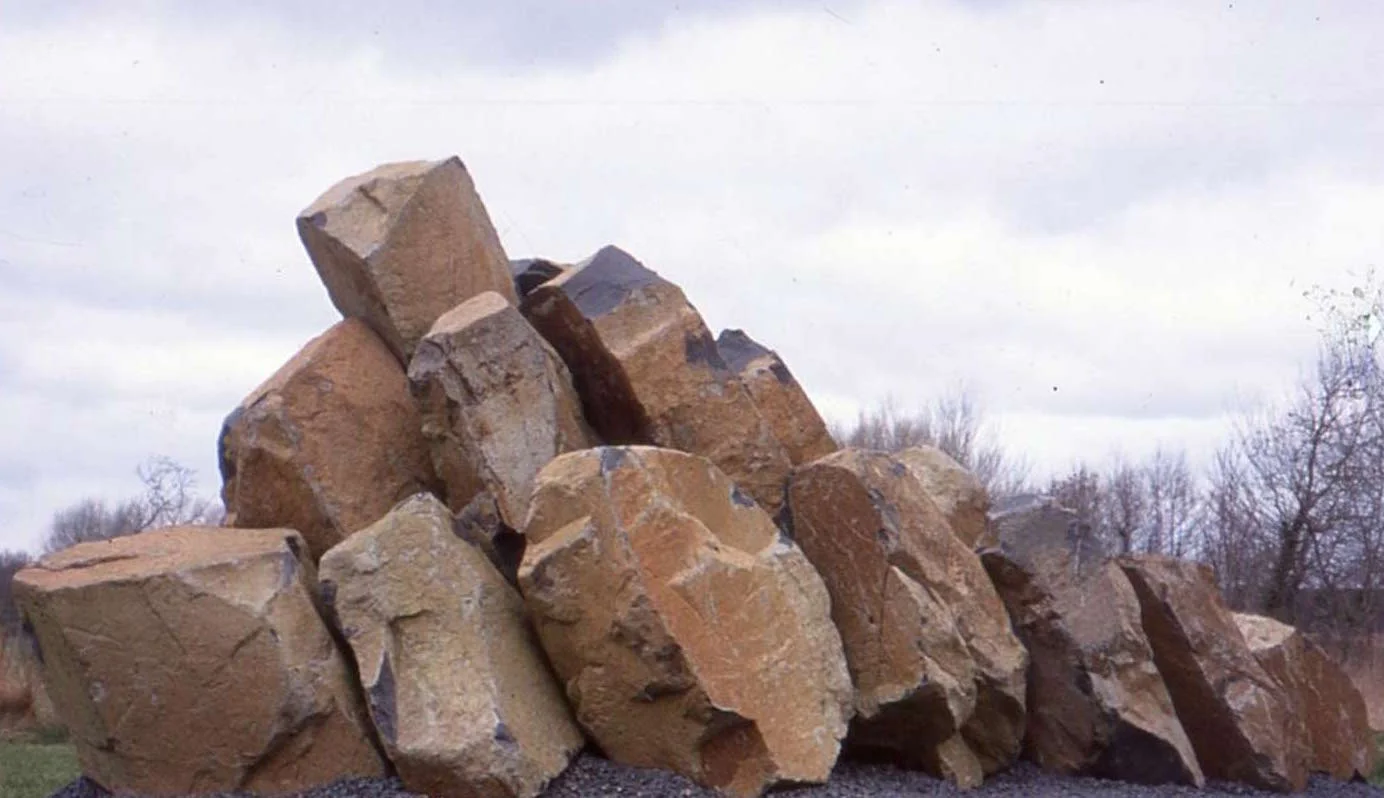
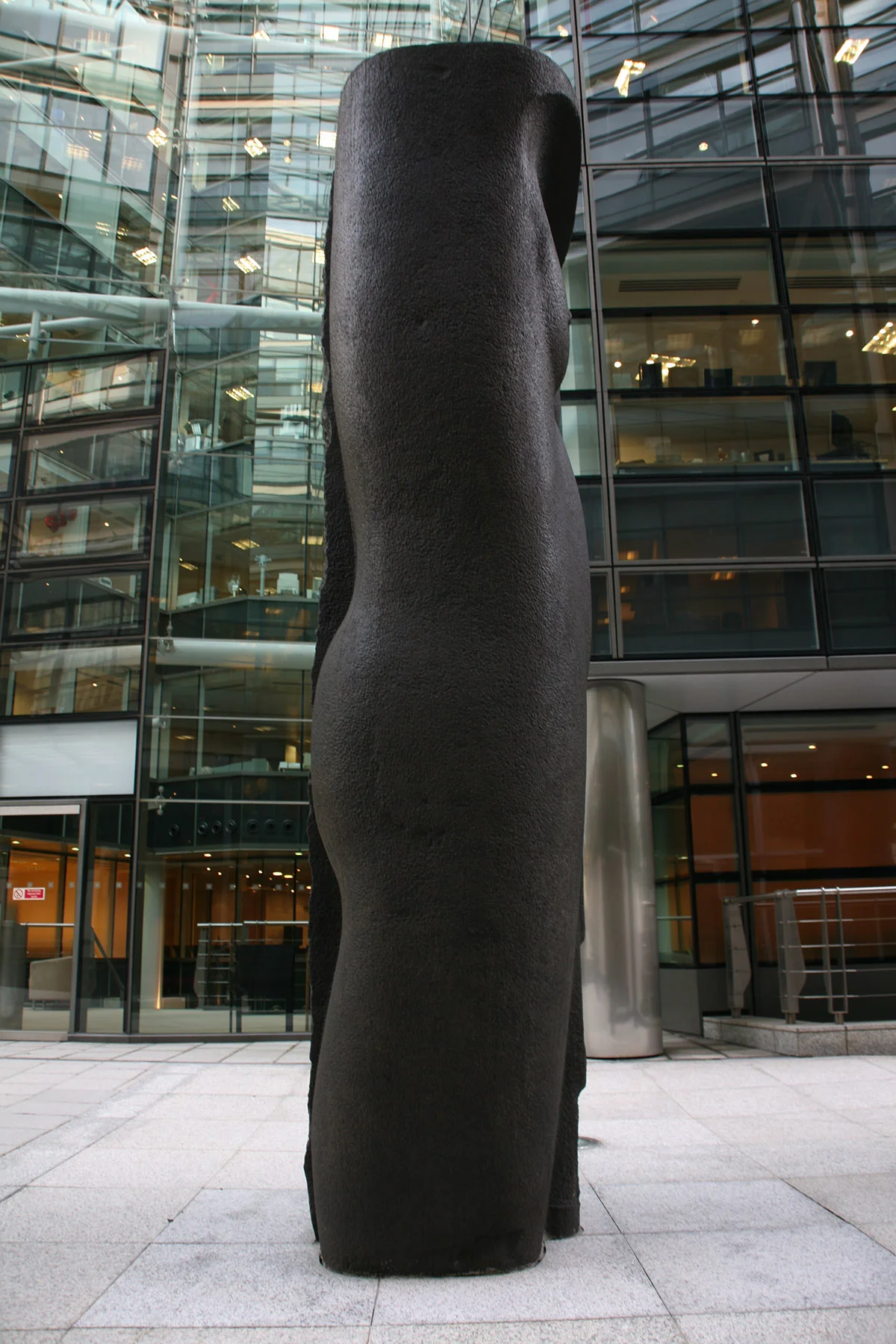
Gemini, 2004
Gemini, 2004
Loaned to Canterbury Cathedral from 2016-2017


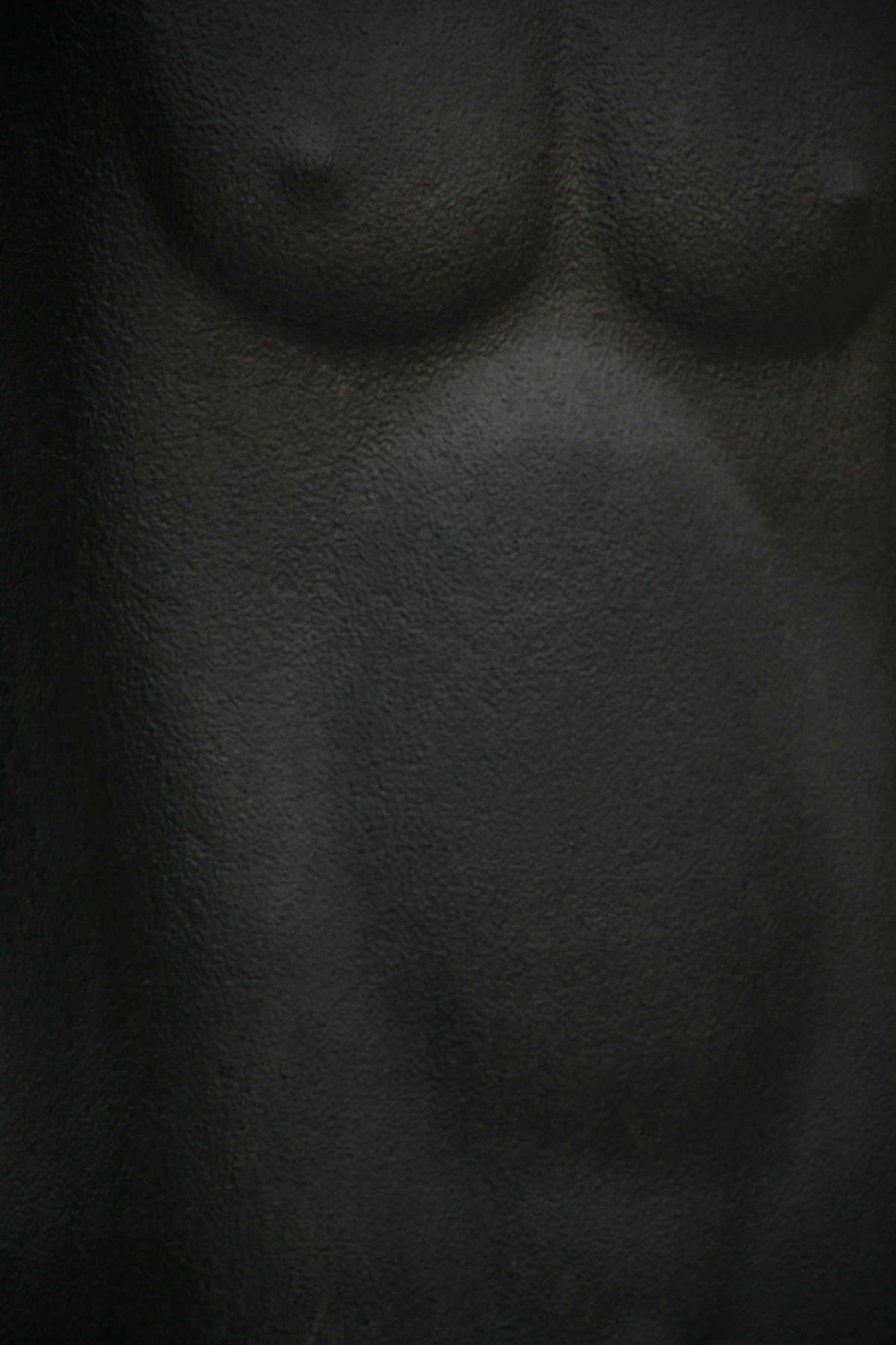
These two figures are created from the same block of stone. As in a mirror the two pieces share the same characteristics.
From Waddi Hammamat in Upper Egypt between Qift in the Nile Valley and Al Quasayr on the Red Sea Coast, this conglomerate has been prized for longer than any other stone. The walls of the quarry testify to its having been used since pre dynastic times through the history of Egypt and so famed throughout the ancient World that Darius and Xerxes of Persia sent expeditions to procure it as did Philip of Macedonia, the father of Alexander the Great. Little used since antiquity, the quarry walls have wonderful ‘graffiti’ scratched into the rock faces showing popular gods and documenting the many expeditions from the past. The wadi (valley) was also ‘the fabled land of Koptos’ and the source of the Pharaoh’s gold. The stone is known variously as ‘Breccia Universale’, ‘Antique Egyptian’ or ‘Hammamat Breccia’ and Bekhen Stone that is a conglomerate cemented in a metagraywacke sandstone. It is strewn with bight coloured ‘pebbles’ and fragments of diverse stones :- granites, basalt, quartzes, schists, hornblende and hematite of red, yellow, black and pink in a greenish matrix with occasional white veins are why it has been prized for its beauty. These periods of activity have been recorded on the walls of the quarries with famous graffiti that has been left by the quarrymen. The graffiti consists of inventories of men and provisions that were tallied by the masters as well images of idols and offerings some simple, others technically very accomplished others primitive, expressing the yearnings of lonely men in a savage desert environment.
The Gemini series of sculpture deals with the relationship between two figures that share the family characteristics of the same block of stone and like the generative life force of a splitting cell. This is the first Gemini sculpture and was shown originally at ‘Sculpture in the Quad’ at Lincoln College Oxford where Cox was Montgomery Fellow in Sculpture 2009 followed by the Royal Academy Summer Exhibition in 2010 then The Meaning of Stone at Ludlow Castle in 2011.
At Canterbury Cathedral, in the new garden in the shadow of the Cathedral, the sculpture’s dualism symbolises the first life on earth with the splitting of the cell and of Adam and Eve.
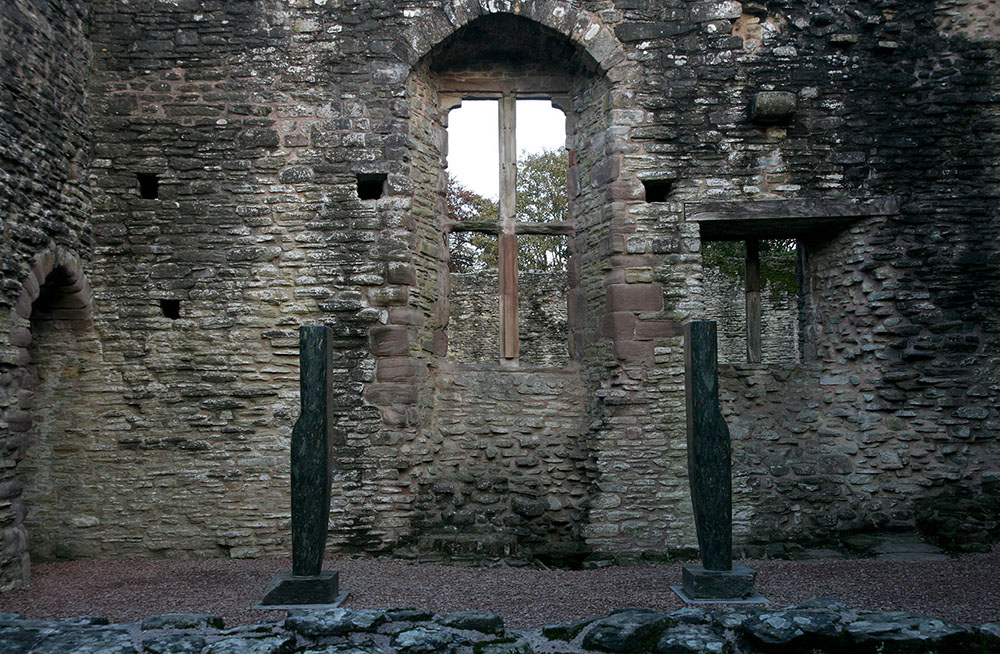
This work was also displayed at Ludlow Castle in 2011 as a part of an exhibition called The Meaning of Stone - Images of this piece are below.


More works in Canterbury:


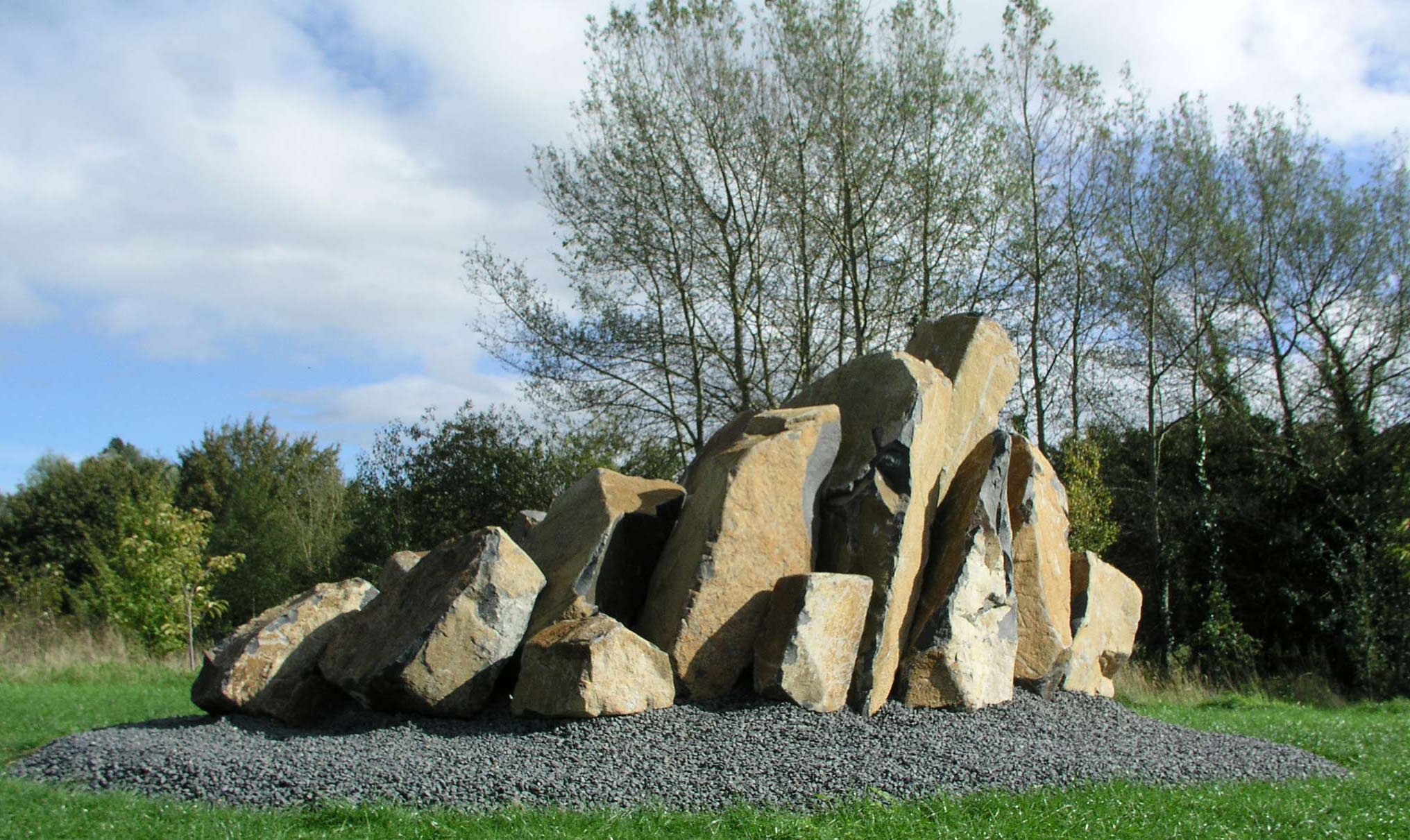
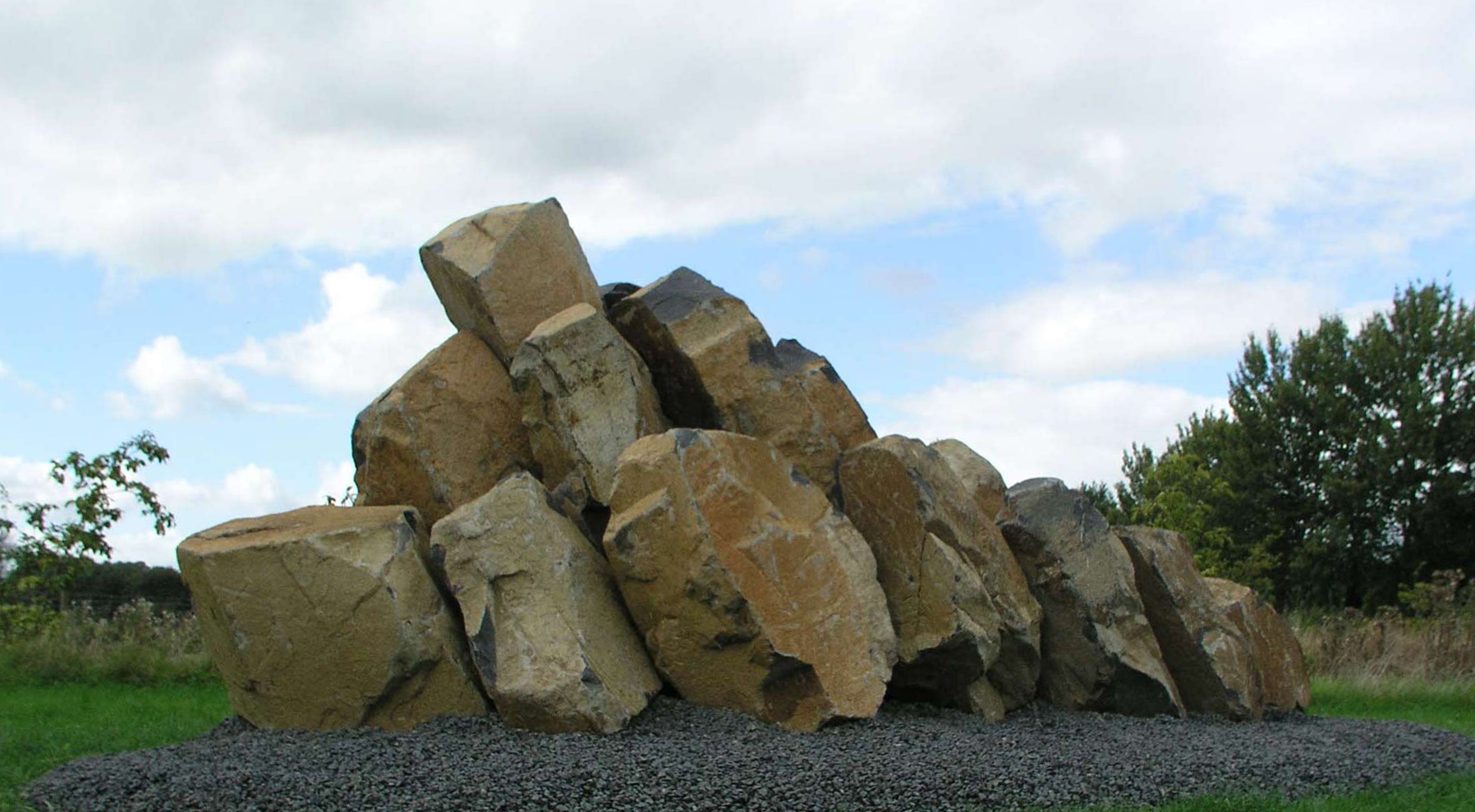
Clee Hill as Seen from the Mappa Mundi, 2004
Clee Hill as Seen from the Mappa Mundi, 2004
Dolerite



Capriccio; Ballet Shoes, 2004


Capriccio; Ballet Shoes, 2004
Hand-carved alabaster set on an alabaster base
Height 18cm (7 1/8") Width 23cm (9") Depth 13.5cm (5 3/8")

Hermaphrodite – Mappa Mundi, 2004
Hermaphrodite – Mappa Mundi, 2004
Carved Egyptian porphyry
Height 36.5cm (14 3/8")
Width 13.5cm (5 5/16")
Depth 9cm (3 1/2")


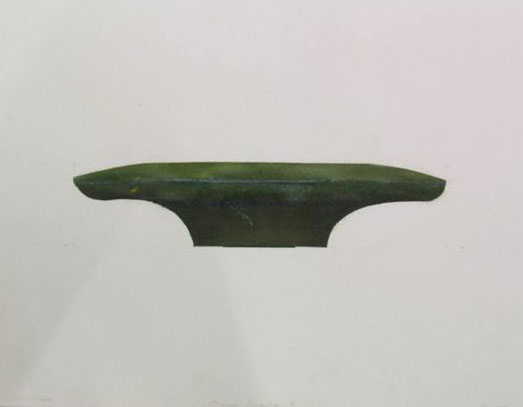
Dark Bowl, 2004
Dark Bowl, 2004
Carved Egyptian porphyry
Height 6.5cm (2 1/2") Diameter 14.5cm (5 3/4")



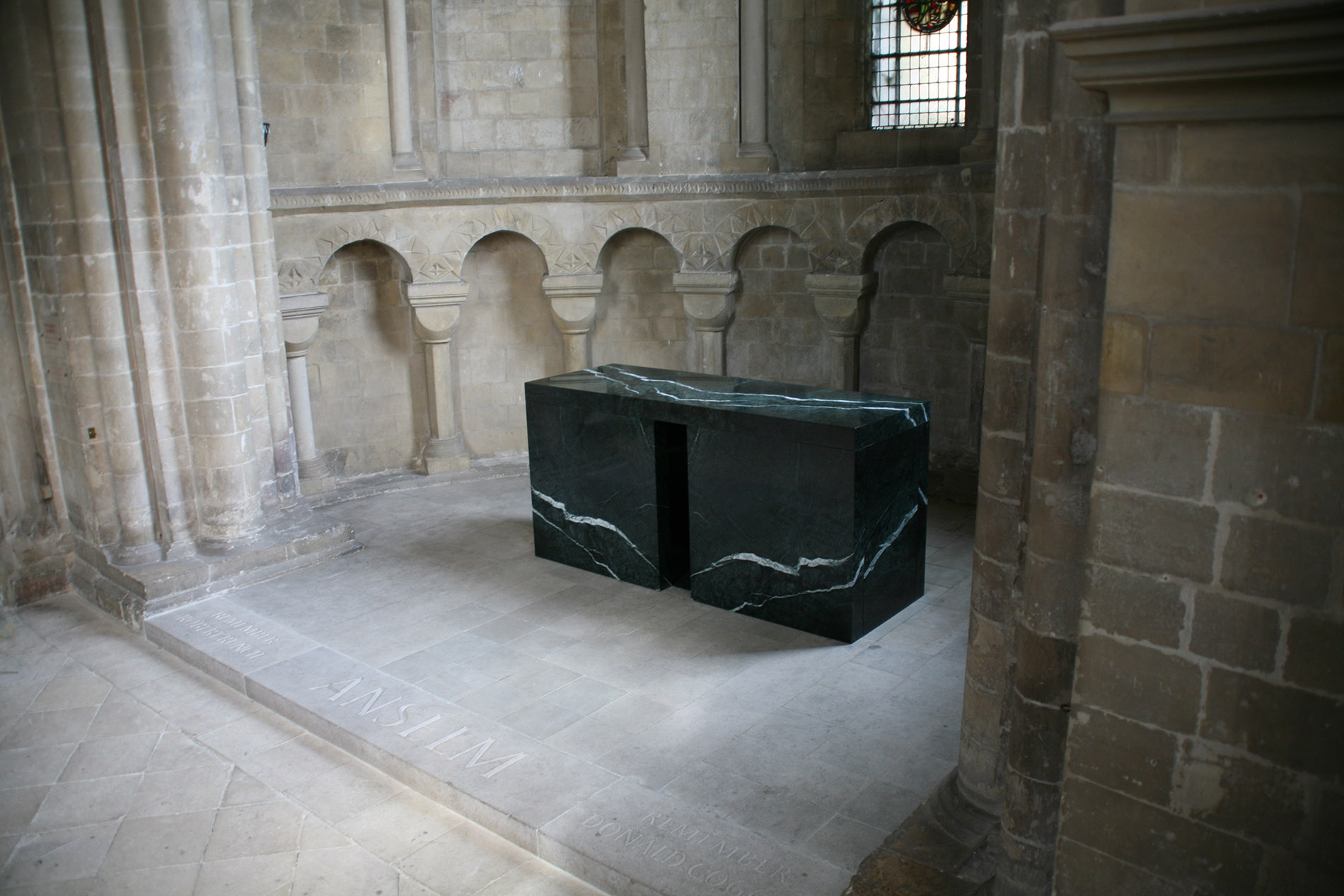
St Anselm's Altar, 2005
St Anselm's Altar, 2005
St. Anselm's Chapel, Canterbury Cathedral



More works in Canterbury:

Interior Space: Blood of the Gazelle, 2005
Interior Space: Blood of the Gazelle, 2005
Red Egyptian granite
220x 400 x 200 cm
Exhibition Bristol City Museum and Art Gallery and City Sites
Private collection UK

Peregrine, 2005
Peregrine, 2005 Basalt (Dhustone)
approximately 180 x 50 x 60 cm
Installation at Bristol Museum
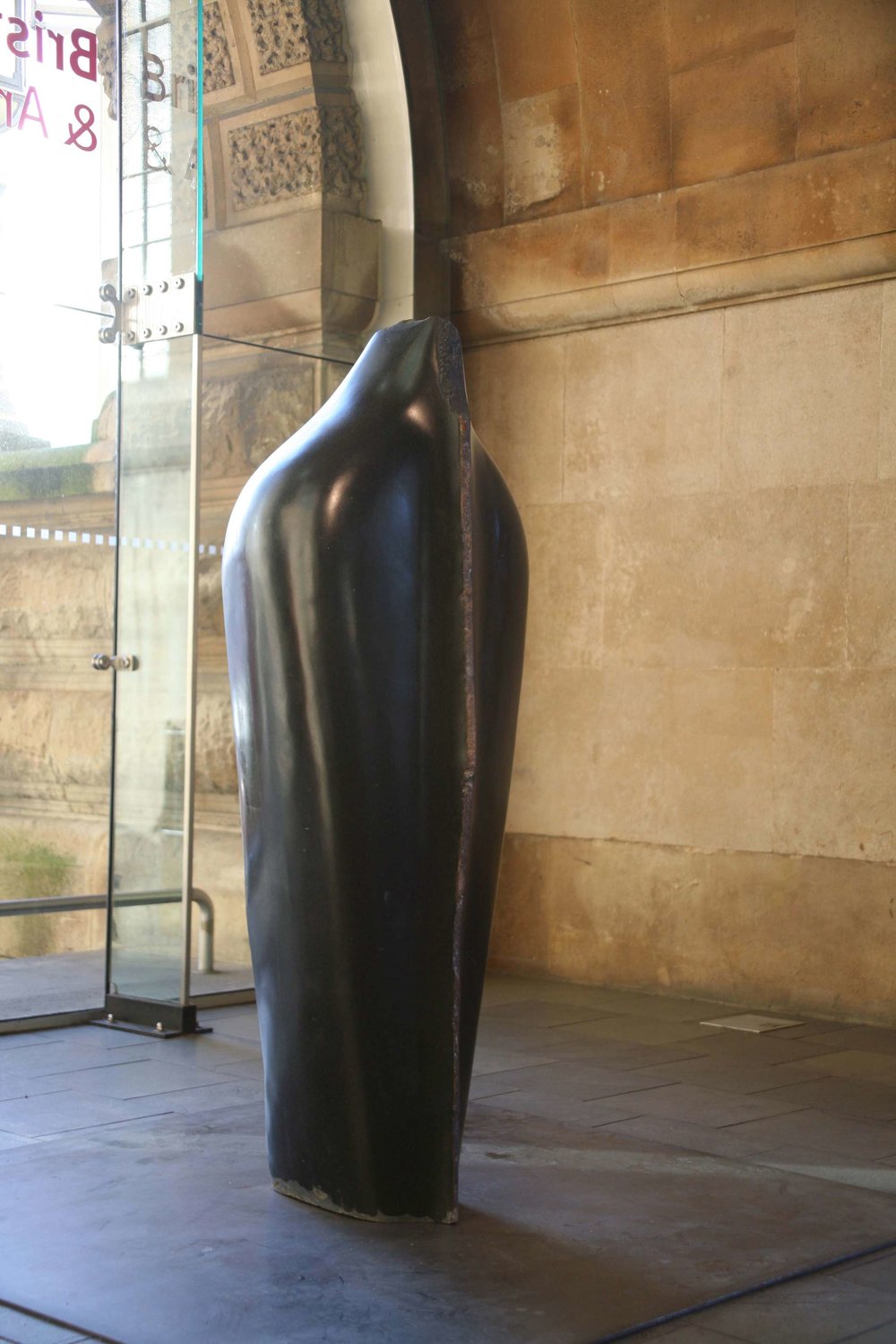


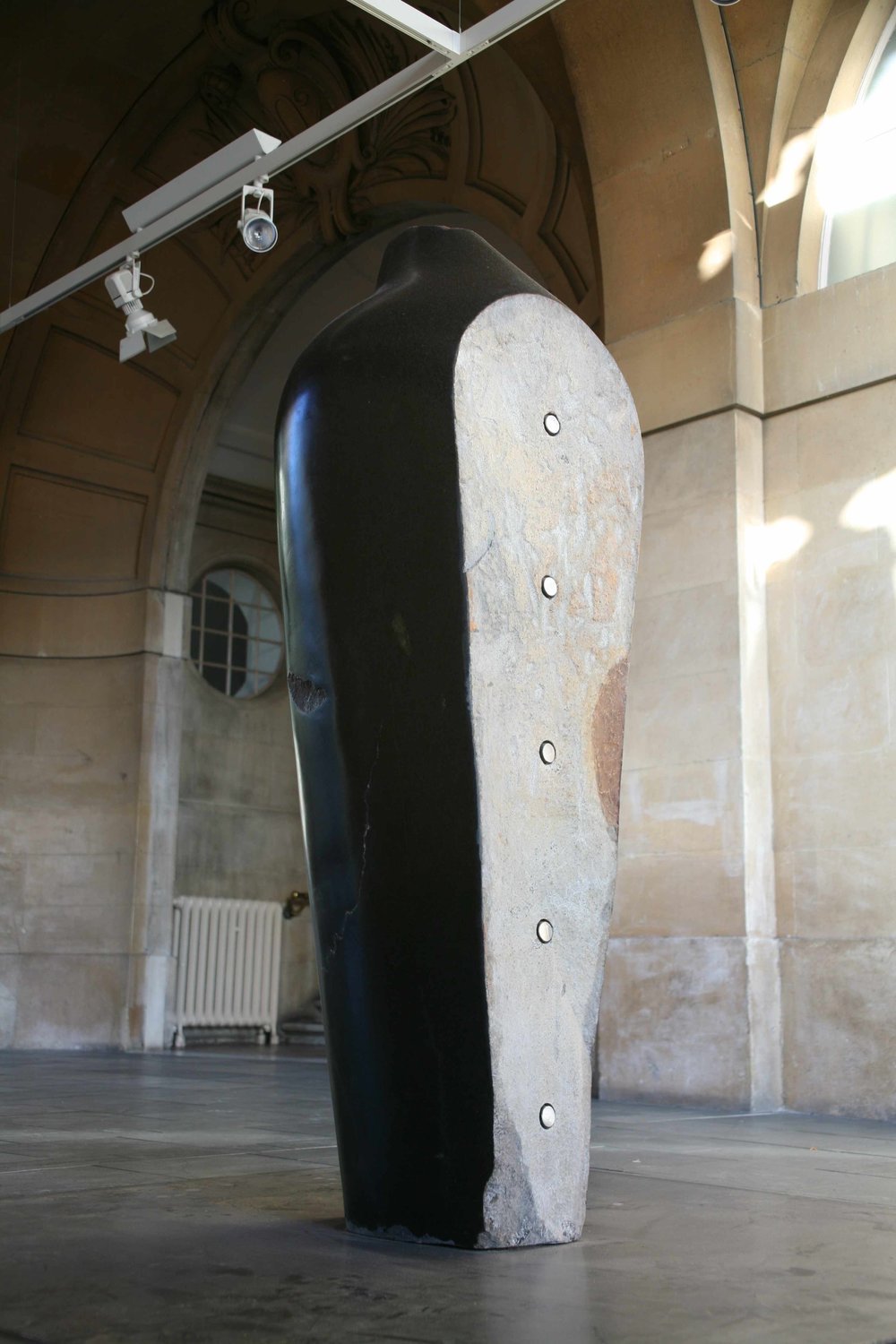

See more images from the exhibition 'Origins and Influences' at Bristol City Museum and Art Gallery, Bristol:


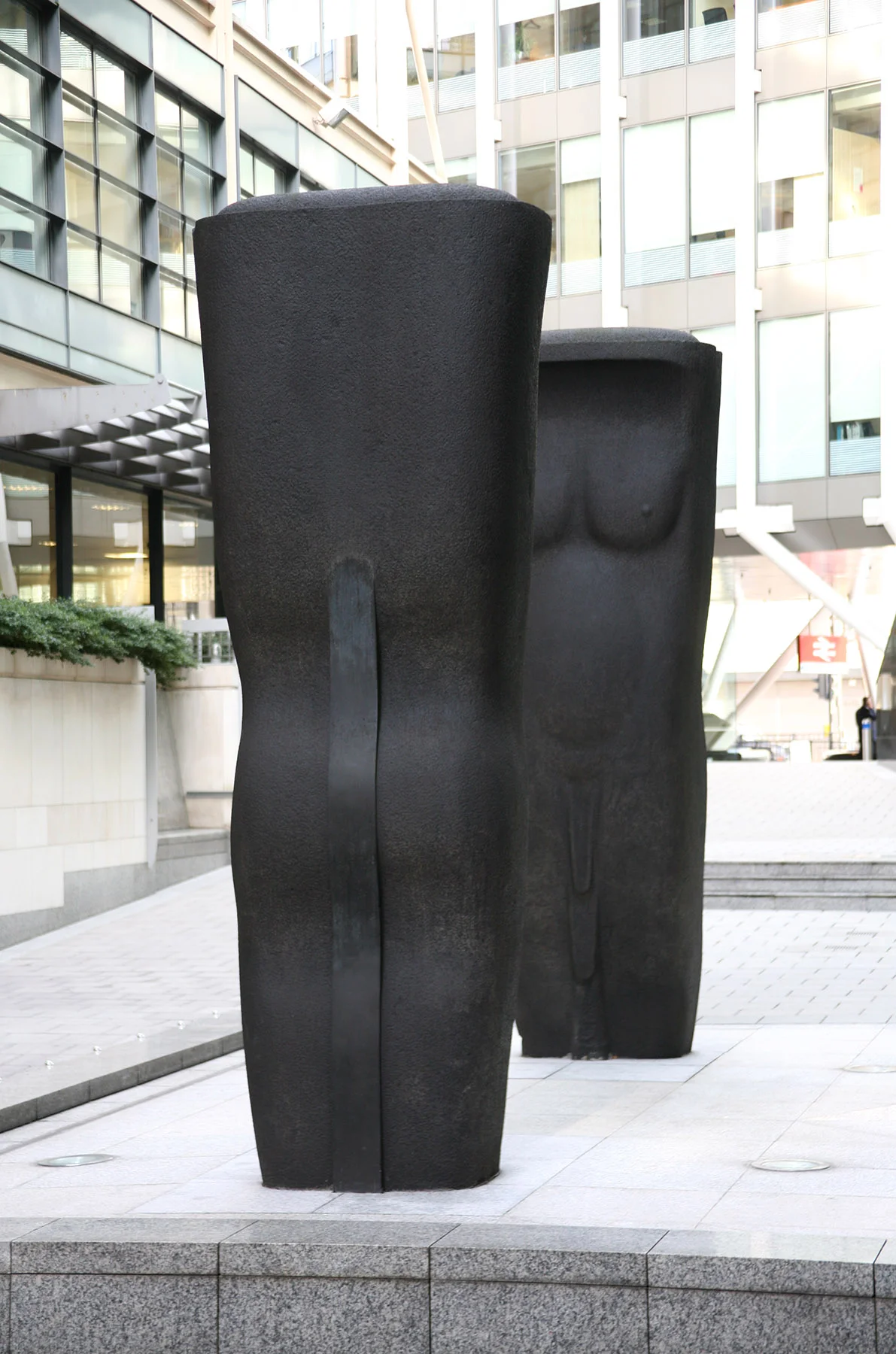


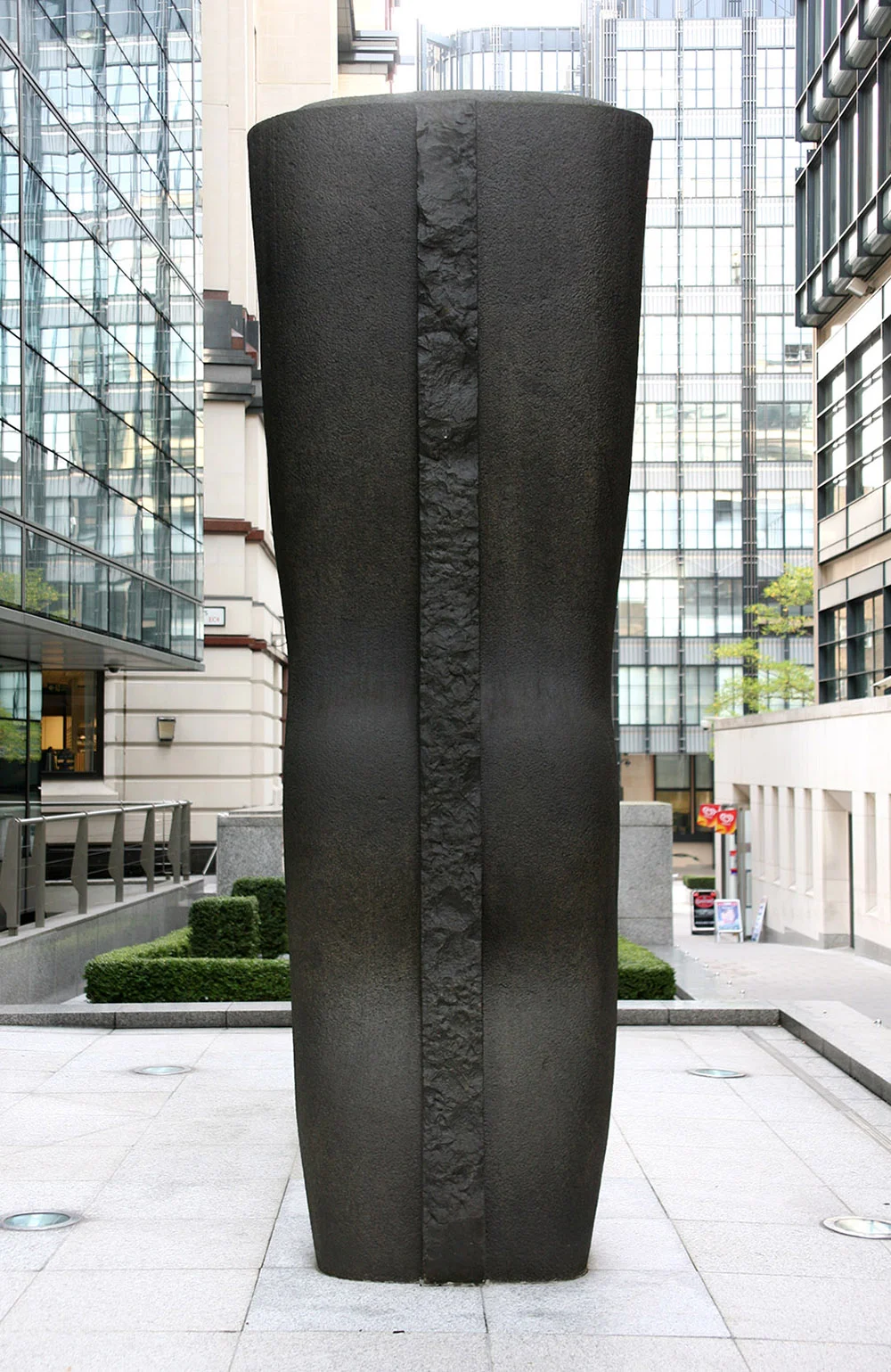





Cruel Stones of St. Stephen, 2007
Cruel Stones of St. Stephen, 2007
Carved Egyptian porphyry
Height 16cm (6 1/4") Width 47cm (18 1/2") Depth 35cm (13 3/4")
This work is currently on show with Adrian Sassoon, London.
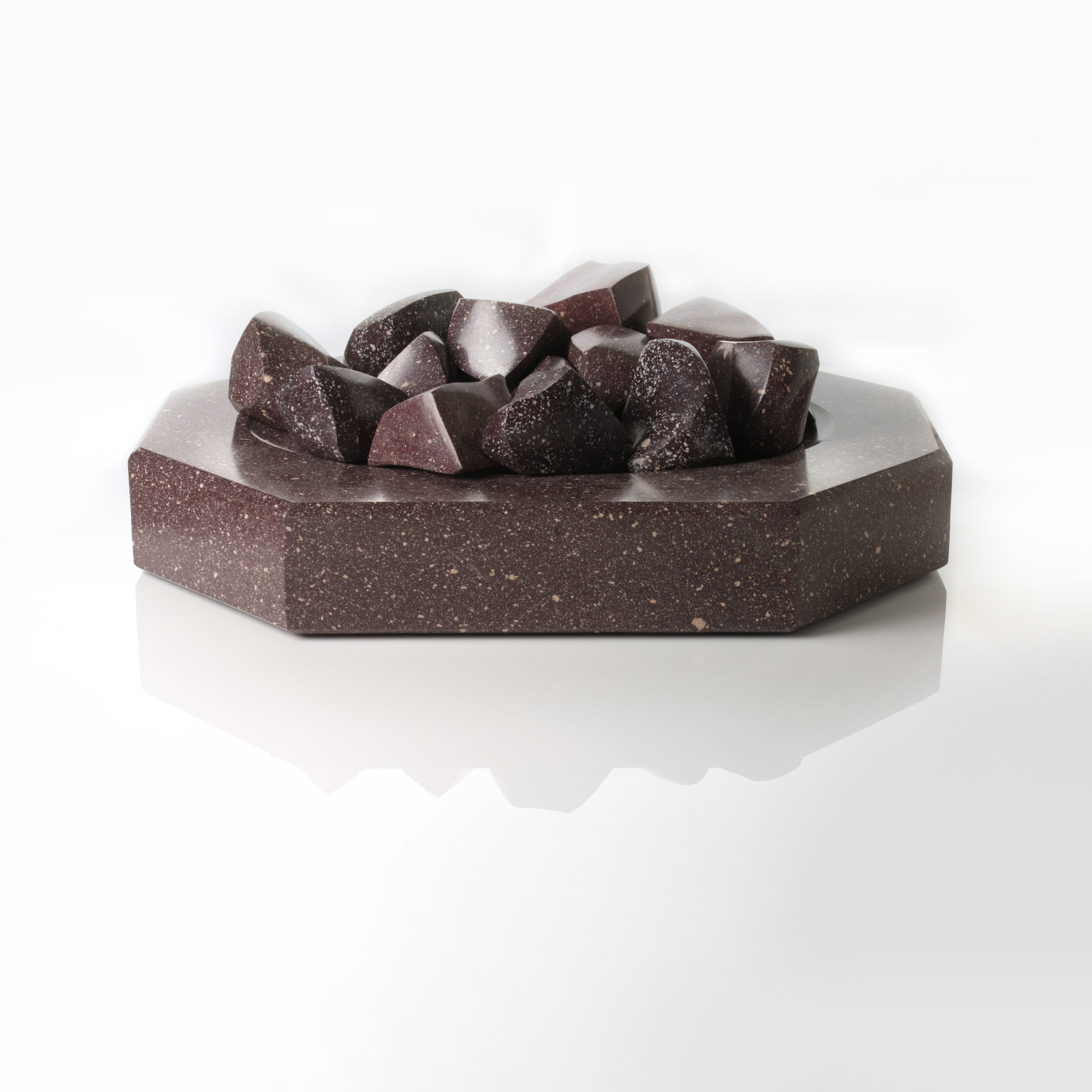

I stood outside a gate of Jerusalem at the spot where my namesake was stoned to death. The emotion was of horror of a world past and the use of porphyry appropriate to a commemoration of that moment.
Egyptian porphyry was exclusive in the Roman Imperial era and, after the conversion of Constantine, became symbolic of the Holy Blood of Christ and significant in church decoration through the Byzantine era. I have used Egyptian porphyry for a number of sculptures representing saints’ ‘attributes’; griddles dedicated to St Lawrence, the Sword of St George, and the Lance of St Thomas amongst others.
This sculpture dedicated to Stephen has added poignancy in a world where stoning to death is not an act of the distant past.


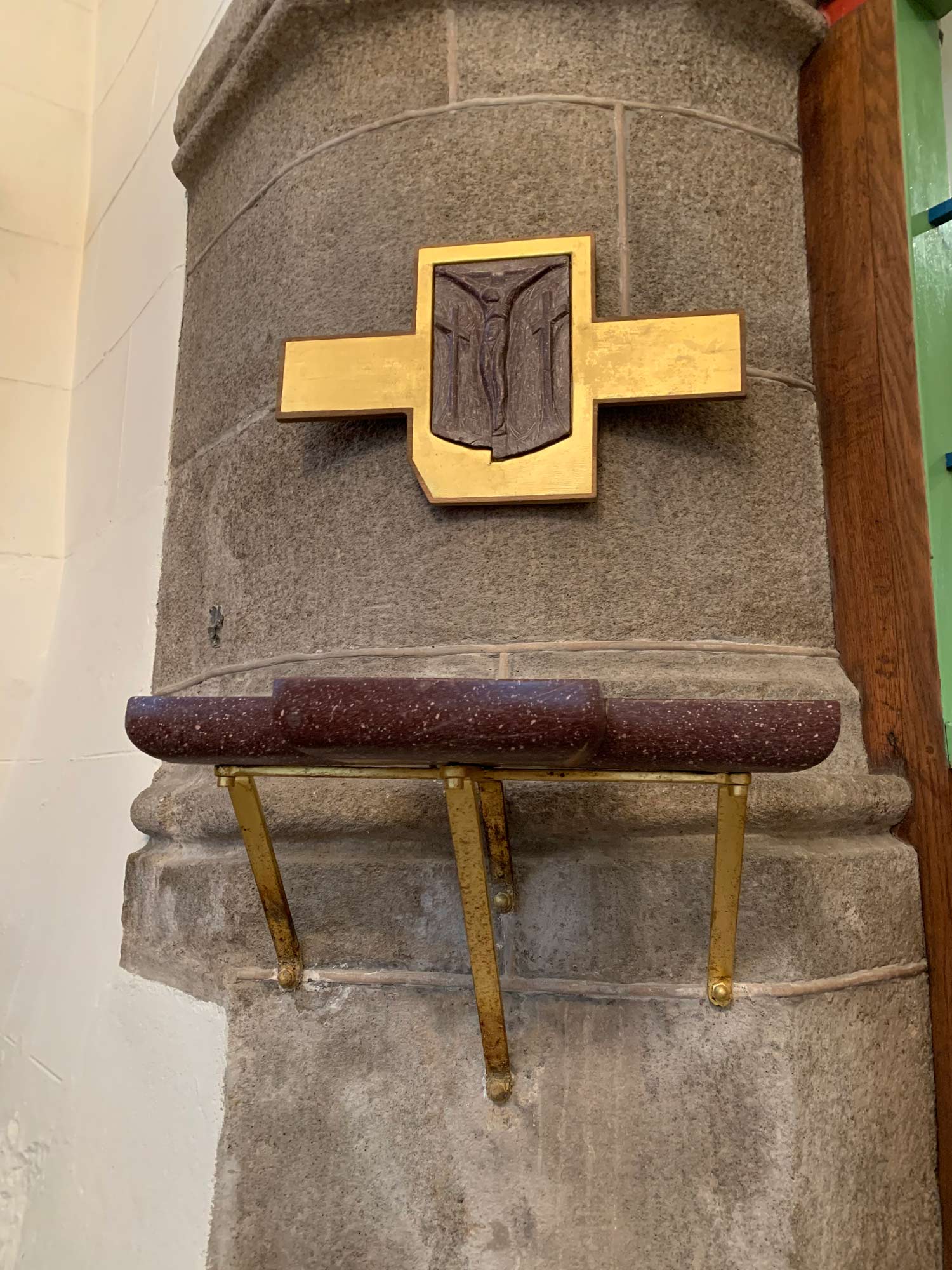
Trinity Crucifixion, 2008
Trinity Candelabra with Crucifixion at St Helier Jersey, 2008
Imperial porphyry, gilt wood frame


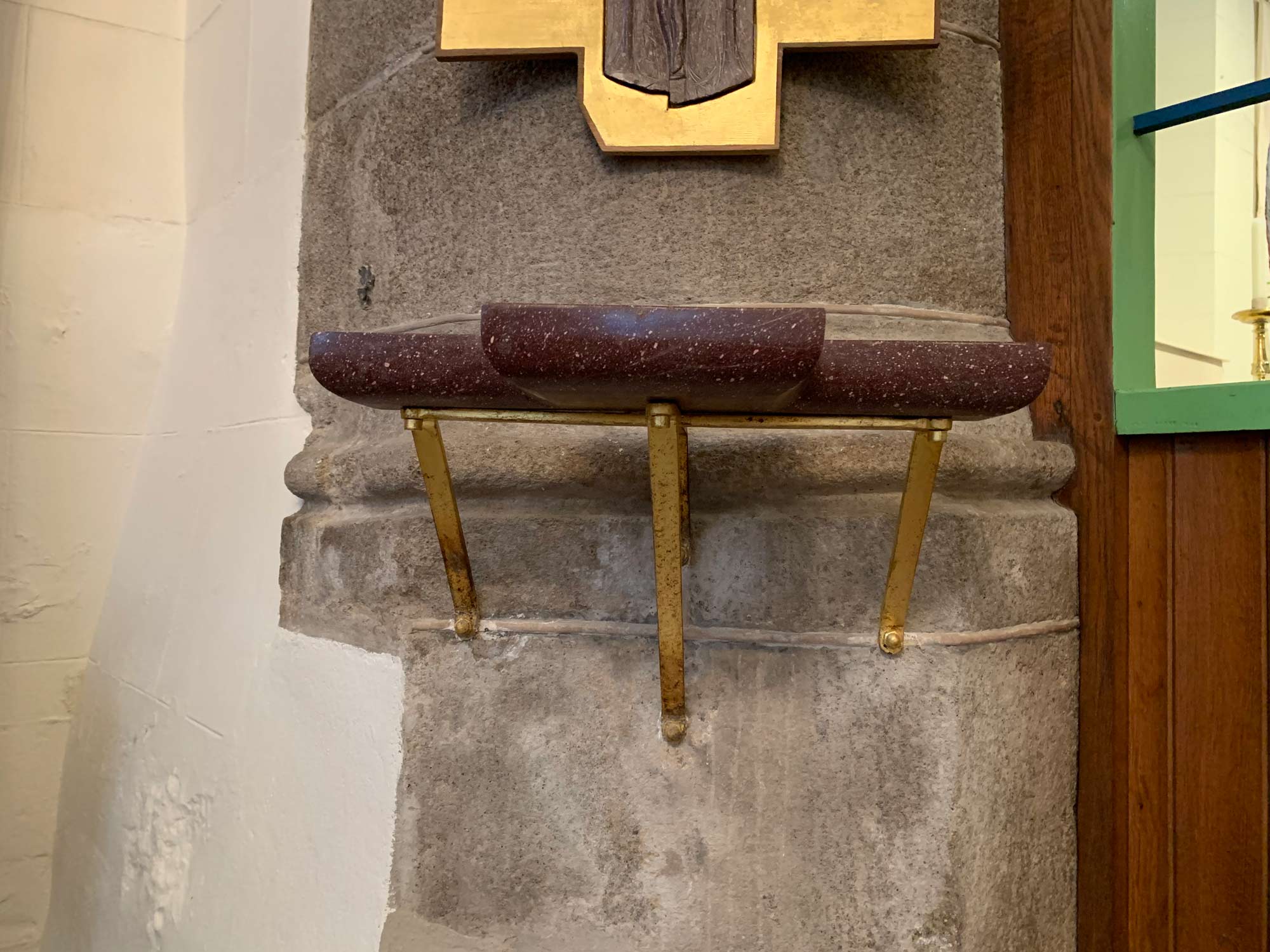


Dark Oval, 2008
Dark Oval, 2008
Carved Egyptian porphyry
Height 9cm (3 1/2") Width 18.5cm (7 1/4") Depth 11.5cm (4 1/2")

